
Why energy storage is essential
We begin with the familiar English saying ‘May you live in interesting times’, which some attribute to an ancient Chinese curse. Whatever its origins, and whether it is a curse at all, we are certainly living in interesting times. Future historians will have much to say about this period.
We are approaching the end of another year marked by the pandemic. Its final quarter also brought an unprecedented energy price crisis. Against this backdrop, developments in electricity storage have been broadly encouraging. At the very least, after years of little movement, there has been progress. By early December 2021, 181 generation licences had been issued for storage plants with a combined capacity of 14.3 GW.
Such strong interest in electricity storage is both predictable and necessary. Greece needs storage systems to meet its decarbonisation targets and its wider environmental goals.
What comes after lignite?
The EU has raised its targets. If Greece is to meet them and end electricity generation from fossil fuels, we will need to make use of every technology that can contribute significantly to climate neutrality.
The first step is to end lignite-fired generation. This creates an immediate need for flexible generating capacity to complement the growing capacity of renewables. Modern gas-fired plants offer the most readily available solution and can cut emissions by 75% compared with existing lignite plants. The goal of zero emissions by 2050, however, requires us to look beyond these transitional options. In the longer term, investment in electricity storage will need to give the grid the stability and flexibility to meet demand for zero-emission electricity.
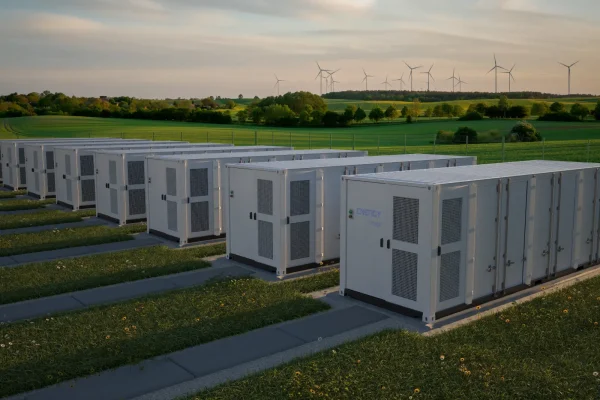
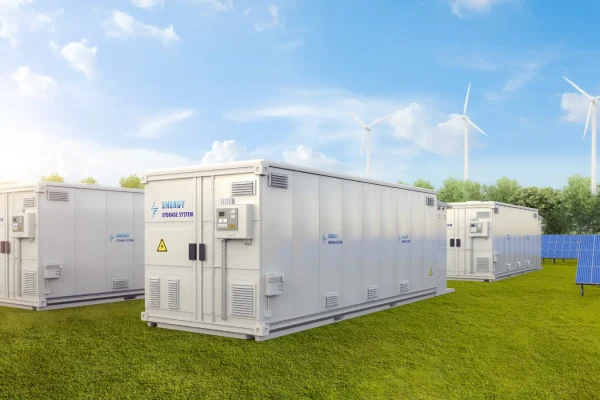
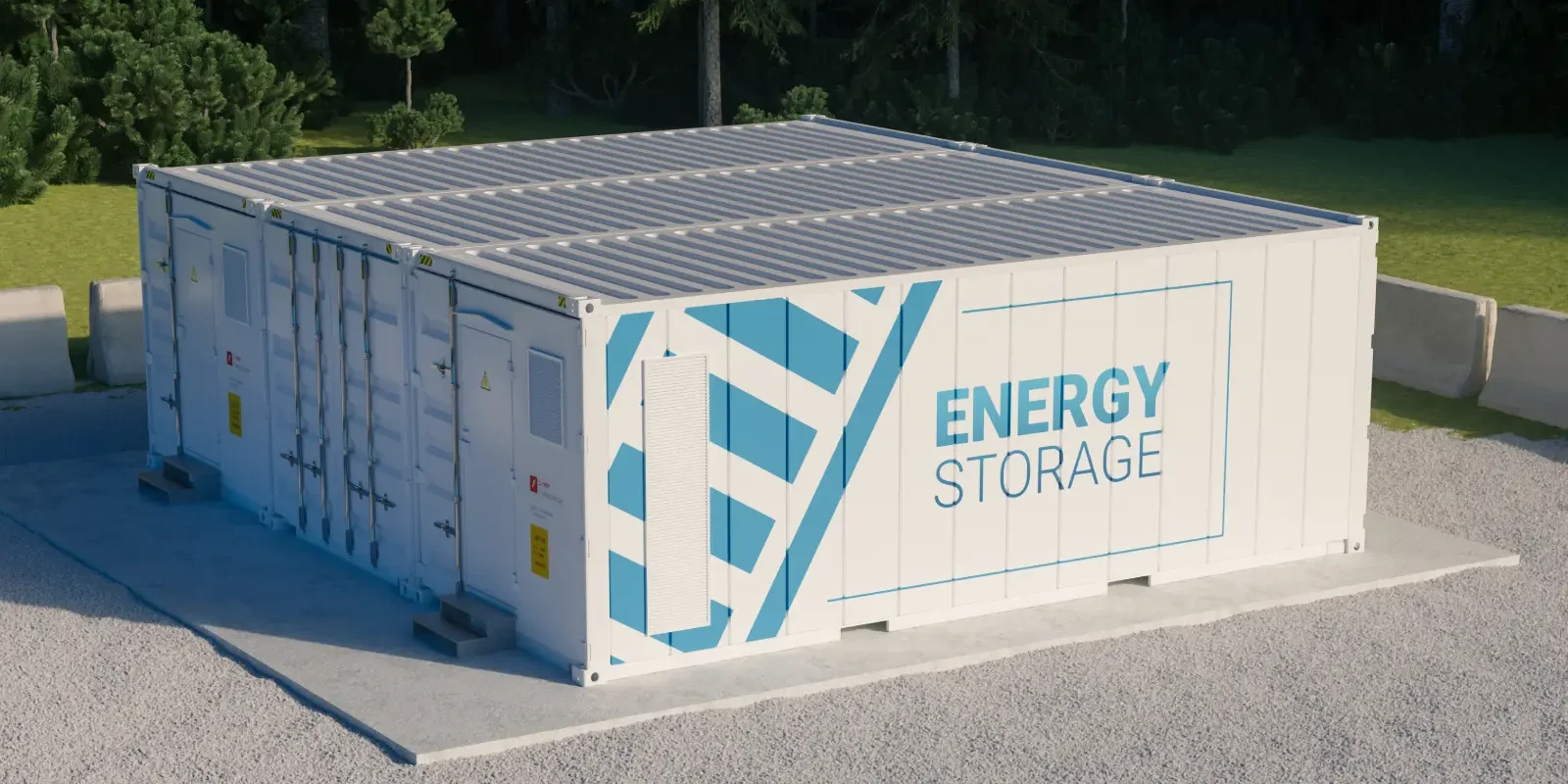
Storage systems can be licensed and built quickly, have very low maintenance costs and can be installed wherever they are needed. As installations grow in scale, storage plants offer the most realistic option for accelerating the energy transition. Continuing technological advances are also driving down costs and attracting substantial investment.
Storage lowers generation costs by making use of low-cost renewable electricity. It supports the expansion of renewables by smoothing fluctuations in output and absorbing surplus generation. Its small environmental footprint also contributes to sustainable development.
Storage systems, operating independently or alongside renewable generators, can deliver fast-response power and energy. They participate in the energy exchange’s principal markets, the day-ahead and intraday markets, and provide fast, reliable ancillary services in the balancing market, where timing is critical. In these ways they can help Greece achieve its energy transition.
The Hellenic Initiative for Electricity Storage Systems
Recognising the need to promote electricity storage and integrate it promptly into the Hellenic Electricity Transmission System, the Institute of Energy, Environment and Climate Change at the Hellenic Mediterranean University joined EDF, Enel Green Power, MYTILINEOS, Siemens Gamesa and Vestas to establish the Hellenic Initiative for Electricity Storage Systems. One of the Initiative’s main aims at this stage is to bring its members’ scientific expertise and international experience to the government’s work on a stable, effective legislative framework, so that Greece can manage its energy transition securely and make full use of the technologies available.
A stable, technology-neutral and effective regulatory framework should therefore be put in place during 2022. It should pursue the following objectives.
- Inform and educate all interested parties and sustain their engagement so that they understand the value of storage for the environment, society, industry and business.
- Provide fair, flexible and accessible arrangements for licensing projects, connecting them to the transmission system and keeping them operating smoothly.
- Enable storage systems to participate fully in all electricity markets, including ancillary services. Access to several sources of revenue will make projects more competitive and reduce the overall cost of operating the national electricity system.
- Reduce the risks involved in bringing planned investments to fruition by securing appropriate financial support from European sources such as the Recovery and Resilience Facility.
Electricity storage can and will play a leading role in Greece’s energy transition, provided the government supports it and ensures fair competition among electricity market participants.