
2023: a landmark year for electricity storage
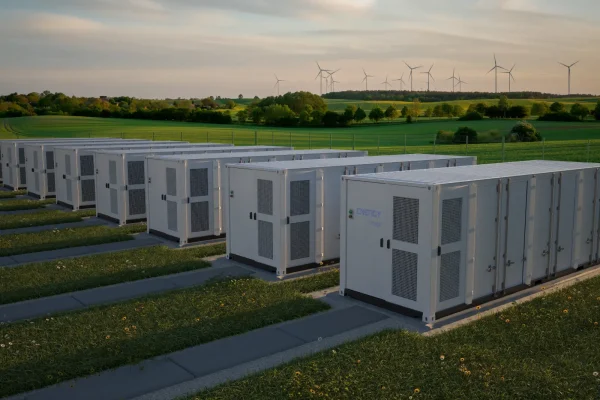
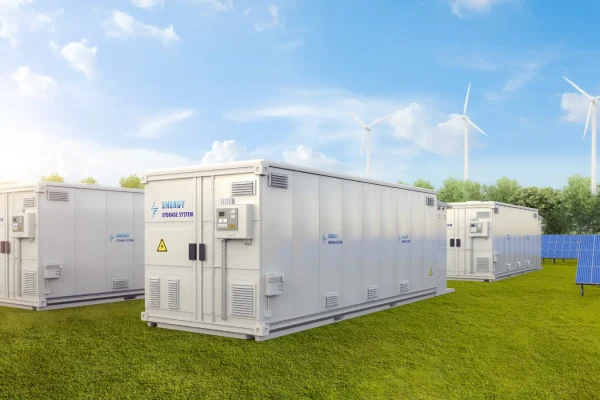
Electricity storage systems, particularly large-scale batteries, came to the fore in Greece in 2023. Generation licences issued exceed 40 GW, and more than 700 MW of projects have already won support at auction. If most of the projects can store at least two hours’ worth of electricity, that gives a total storage capacity of around 80 GWh. Adding licensed pumped storage projects brings both storage power and energy capacity to truly impressive levels. The figures confirm the interest that has been evident for many years.
Why storage, and why the urgency now? The sheer number of renewable energy systems being installed across Europe and here in Greece has become practically unmanageable. Greece already has 12.5 GW of installed renewable capacity in operation, and a further 15–16 GW of projects have connection offers. Applications for connection terms from new renewable projects exceed 40 GW.
Yet the only storage plants operating in the domestic market today are the older hydroelectric plants with pumping capability, with around 700 MW of installed capacity. As a result, the Greek system has already reached its limits. We are now beginning to see substantial curtailment of renewable generation and zero wholesale prices in the Greek day-ahead market. The difficulties posed by ever-increasing renewable generation are compounded by electricity demand that is flat and often falling.
The planned renewable plants need to be built as quickly as possible for the well-established environmental, economic and geostrategic reasons. At present we have only a few practical, effective means of integrating them safely and efficiently into the system.
- Cross-border interconnectors allow us to manage the country’s energy balance through imports and exports, although they can do relatively little for system stability.
- Electricity storage systems can offset renewable variability by storing surplus energy when output is high and releasing it when renewable output is low. Storage systems, particularly batteries with their inherent characteristics, can also play a central role in improving grid flexibility and stability.
- Setting injection limits below a renewable plant’s installed capacity helps to smooth renewable output across the system and make better use of individual substations, increasing the grid capacity available.
- Dynamic or static curtailment at specified times of day can be applied to the output of renewable plants, including those with storage, to keep both energy and power supply in balance with demand hour by hour.
- Load management and interruptible demand offer another relatively quick, economical and technically flexible way of maintaining the power balance as the renewable share grows.
In my view, we have been slow on all these fronts. We are moving in the right direction and a great deal has been done, but we could clearly be in a much better position by now. The need for storage, and investors’ interest in it, have been clear for well over a decade.
As Greece continues to invest in renewables and reduce its dependence on fossil fuels, storage is becoming more important. Yet the revised National Energy and Climate Plan (NECP) lowered the storage target for 2030. It reduced the target for battery storage from 5.6 GW to 3.1 GW and the target for pumped storage from 2.5 GW to 2.2 GW.
Under the plan, all battery applications combined, including stand-alone units and hybrid projects paired with renewables, are expected to total 3.1 GW by 2030. That figure is at odds with both the demonstrated need and the evident interest from investors.
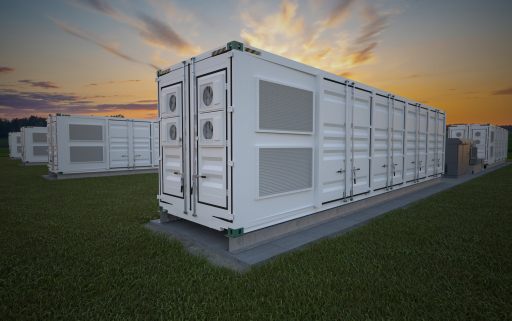
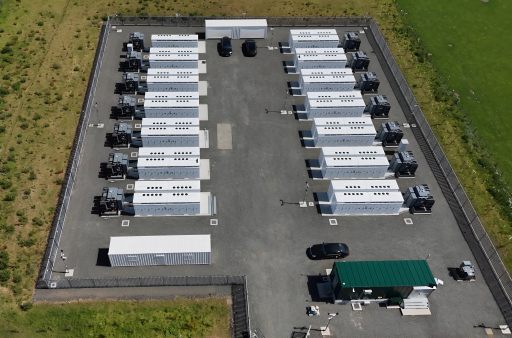
Nevertheless, the support scheme for stand-alone battery systems marked an important step for energy storage in Greece. Under Law 4951/2022, the Greek government decided to hold three auctions to support large-scale batteries with a combined capacity of 1 GW. The scheme provides grants of €200,000/MW towards the initial capital investment and supports operations through a predetermined annual revenue per unit of installed capacity for ten years. Under the scheme, operating aid is calculated annually as the difference between the daily revenue bid by each project at auction (pay-as-bid) and the actual market revenue it earns once in operation. The programme is financed by the Recovery and Resilience Facility and must therefore be completed by the end of 2025.
In the first auction, the ceiling on operating aid was €115,000 per MW per year. The auction offered 400 MW of capacity with two hours of storage. There were 44 bids, and 12 projects received awards. The average price was €49.75 per MW per year, ranging from €33.95 to €64.12, and the capital grant was €200,000/MW.
The second auction, for a further 300 MW, took place in November 2023. It attracted 48 bidders whose applications totalled 1.5 GW of power and 3.1 GWh of storage. Eleven projects, totalling 300 MW and 600 MWh, were selected for support. Operating aid averaged €47.68 per MW per year, ranging from €44.10 to €49.92. The capital grant was reduced to €100,000/MW for this round.
The final round, for 300 MW of four-hour storage in Western Macedonia, was originally expected at the end of 2023 but has been delayed and is now expected in the third quarter of 2024. The first auctions awarded lower levels of aid than anticipated. A fourth round could therefore add around 500 MW to the programme, bringing the total capacity of stand-alone storage projects receiving grants to 1.5 GW by the end of 2025.
The year 2023 also saw the first programme to help households add battery storage to small-scale systems. The new ‘Rooftop Photovoltaics’ programme has a total budget of €200 million, again drawn from the Recovery and Resilience Facility.
The Greek islands are another important application for electricity storage systems. Little changed there in 2023, despite the documented need and the interest shown by credible project developers. Here, too, Greece has fallen behind. Excluding Crete, the islands have over 200 MW of licensed renewable projects with storage. Together with future interconnection to the mainland, these projects could lead the way towards a secure and resilient energy transition on the islands.
We need to be clear about why we are developing electricity storage systems, whether they use pumped storage, batteries, hydrogen in the future or any other available technology. They are a necessity. We cannot complete the energy transition without storage. Once we recognise that need, storage can also become an investment opportunity.
The NECP is right to set numerical targets, but those targets depend on one another. The regulatory and operational questions should have been settled long before the traffic started to back up. Today even the hard shoulder is full of cars – in our case, renewable energy projects – and only now are we deciding which ones to bring to the front. The obvious choice is to let through the vehicles that will clear the jam and get the others moving. What we need urgently is well-chosen projects, rather than sheer numbers. Stand-alone storage and storage paired with renewables are examples.
The government has moved relatively slowly, but it is heading in the right direction. It must lead the country into the next phase of the energy transition and towards genuine energy independence, which will require difficult technical, economic, social and political decisions.
Greece has abundant sunshine and wind. It is right to rely increasingly on renewables to meet its energy needs and reduce its dependence on conventional fossil fuels. All forms of electricity storage can play a central role in that effort, helping Greece to integrate more renewables safely and efficiently and to build a resilient, sustainable energy future. We must not lose any more valuable time.